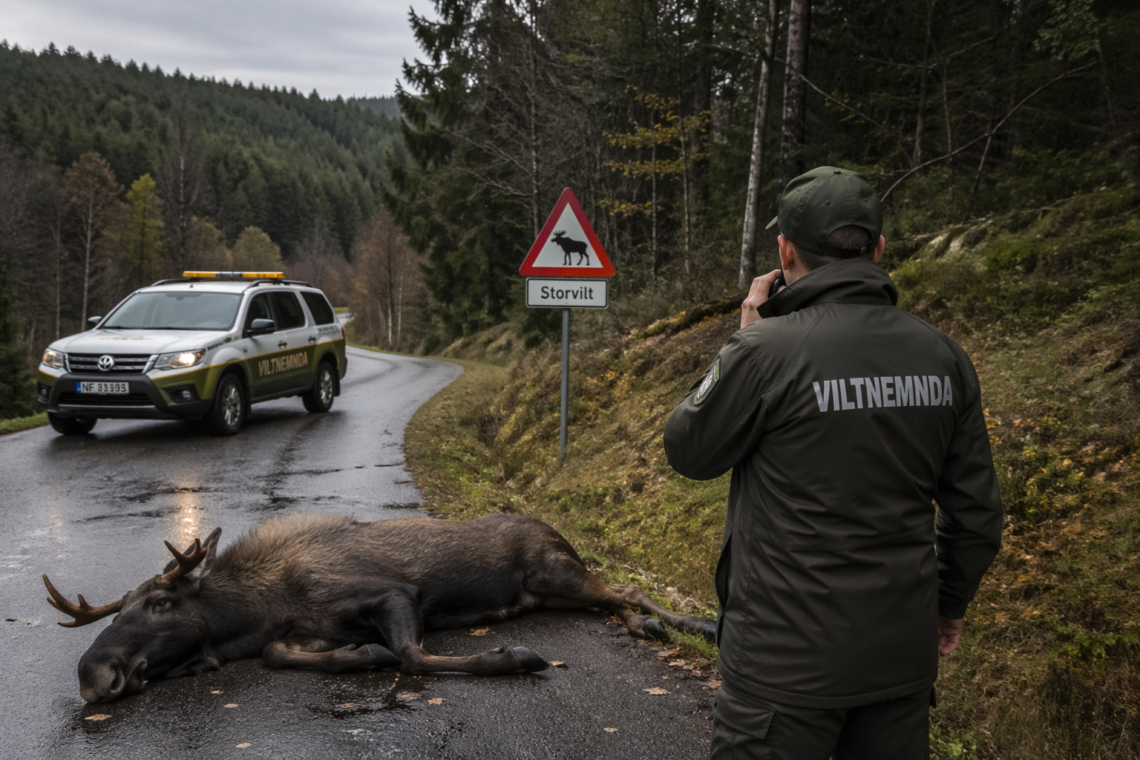
The term viltnemnda often appears in Norwegian news, local government pages, and discussions about wildlife management. For many readers, especially those outside Norway, the word may feel unfamiliar or confusing at first. However, understanding viltnemnda is important because it plays a key role in how wildlife is managed, protected, and controlled at the local level.
In simple terms, viltnemnda refers to a local system or committee responsible for handling wildlife-related matters within a municipality. This includes everything from managing animal populations to responding to emergencies involving injured or dangerous animals. In this guide, we will break down what viltnemnda means, how it works, and why it matters in everyday life.
What Does Viltnemnda Mean?
Viltnemnda is a Norwegian term that can be translated as a wildlife management committee or authority at the municipal level. It is connected to the administration of wild animals, often referred to as “vilt” in Norwegian, which includes species such as moose, deer, birds, and other wildlife.
The term itself is not always used in exactly the same way across all municipalities. In some areas, it refers to a formal committee, while in others, the responsibilities may be handled by specific departments or designated officials. Regardless of the structure, the core idea remains the same: it represents local responsibility for wildlife-related decisions and actions.
Understanding this meaning is essential because it shows that wildlife management in Norway is not only handled at the national level but also locally, where decisions can be adapted to specific environments and community needs.
How Viltnemnda Fits Into Norway’s Local Government System
Norway has a decentralized system of governance, and municipalities play an important role in managing local resources. Viltnemnda is part of this system, operating at the municipal level to ensure that wildlife is managed responsibly within a specific area.
This local approach allows authorities to respond quickly and effectively to situations involving wildlife. For example, rural areas with large populations of moose or deer may have different priorities compared to urban municipalities. By placing responsibility at the local level, Norway ensures that decisions are practical and suited to the local environment.
In modern practice, some municipalities maintain a dedicated viltnemnda, while others integrate these responsibilities into broader environmental or administrative departments. Despite these differences, the function remains an essential part of local governance.
The Historical Background Behind Viltnemnda
The concept of viltnemnda has evolved over time. In earlier years, wildlife management was more centralized, with less direct involvement from municipalities. However, changes in policy shifted responsibility toward local governments, particularly during the early 1990s.
This transition was important because it allowed for more flexible and responsive wildlife management. Local authorities became better equipped to handle issues such as population control, habitat protection, and human-wildlife conflicts.
Even though the structure has changed, the term viltnemnda continues to be used in many contexts. It reflects both the historical roots of wildlife management in Norway and its modern adaptation to local governance systems.
The Main Responsibilities Of Viltnemnda
Viltnemnda is responsible for a wide range of tasks related to wildlife. One of its primary roles is to monitor and manage animal populations to maintain ecological balance. This includes assessing population levels and ensuring that wildlife does not become a risk to people, property, or the environment.
Another important responsibility involves hunting-related matters. Local authorities may oversee hunting regulations, including quotas and seasonal guidelines. These decisions are typically based on data and aim to balance conservation with sustainable use.
Viltnemnda also plays a role in conservation efforts. Protecting natural habitats and ensuring biodiversity are key priorities. By managing wildlife carefully, municipalities can support healthy ecosystems while also addressing human needs.
In addition, the committee or authority often collaborates with other local services, including environmental agencies, landowners, and hunters. This cooperation helps ensure that decisions are informed and practical.
What Happens When Wildlife Is Injured Or Dangerous?
One of the most visible roles of viltnemnda is its involvement in real-life incidents involving wildlife. This can include situations where animals are injured, pose a danger to people, or are involved in traffic accidents.
For example, if a moose or deer is hit by a vehicle, local authorities may be contacted to handle the situation. In many cases, the police act as the first point of contact and then coordinate with wildlife management teams connected to viltnemnda.
These teams may track injured animals, assess their condition, and take appropriate action. This could involve providing assistance, relocating the animal, or, in some cases, euthanizing it to prevent suffering.
This practical role highlights the importance of viltnemnda in ensuring both animal welfare and public safety. It also shows how wildlife management is not just about policies but also about responding effectively to real-world situations.
Viltnemnda And Hunting Regulations
Hunting is an important part of wildlife management in Norway, and viltnemnda plays a role in ensuring that it is carried out responsibly. Local authorities may help determine hunting quotas based on population data and environmental conditions.
The goal is not simply to allow hunting but to maintain a balance between wildlife populations and available resources. Overpopulation can lead to problems such as crop damage, traffic accidents, and ecological imbalance, while underpopulation can affect biodiversity.
By setting guidelines and monitoring outcomes, viltnemnda helps ensure that hunting remains sustainable. This approach reflects a broader philosophy of using natural resources responsibly while protecting the environment.
Why Viltnemnda Matters For Communities And Nature
Viltnemnda is important not only for wildlife but also for local communities. Proper wildlife management helps reduce conflicts between humans and animals, such as accidents on roads or damage to farmland.
It also contributes to environmental protection. Healthy wildlife populations are a sign of a balanced ecosystem, and local management plays a key role in maintaining that balance.
From a community perspective, viltnemnda provides a structured way to handle wildlife-related concerns. Residents know that there is a system in place to address issues, whether it is an injured animal or questions about hunting.
This combination of environmental and community benefits makes viltnemnda a valuable part of Norway’s local governance system.
Common Misunderstandings About Viltnemnda
There are several misconceptions about viltnemnda that can lead to confusion. One common misunderstanding is that it is only related to hunting. While hunting is part of its responsibilities, the role is much broader and includes conservation, safety, and emergency response.
Another misconception is that viltnemnda operates the same way in every municipality. In reality, the structure can vary depending on local governance systems. Some areas may have a formal committee, while others manage the responsibilities through different departments.
It is also sometimes assumed that viltnemnda is only involved in emergencies. While it does play a role in urgent situations, much of its work involves planning, monitoring, and long-term management.
Clarifying these points helps create a more accurate understanding of what viltnemnda actually does.
How To Find Or Contact Local Wildlife Authorities
If someone needs to contact a local wildlife authority in Norway, the best approach is to check the official website of the municipality. These websites often provide contact details for relevant departments or committees responsible for wildlife management.
In urgent situations, such as accidents involving animals, contacting the police is usually the first step. They can then coordinate with the appropriate wildlife management team.
For general inquiries, municipal offices can provide guidance on hunting regulations, wildlife concerns, and local policies. This accessibility ensures that residents and visitors can get the information they need.
Conclusion
Viltnemnda is an important part of Norway’s approach to wildlife management. It represents a local system that balances environmental protection, community safety, and sustainable use of natural resources.
By understanding what viltnemnda means and how it works, readers can gain a clearer picture of how wildlife is managed at the municipal level. From handling emergencies to supporting long-term conservation, its role is both practical and essential.
In a world where human activity increasingly overlaps with natural habitats, systems like viltnemnda show how thoughtful, local management can make a difference.
FAQ’s:
What Is Viltnemnda?
Viltnemnda is a local wildlife management authority in Norway that handles issues related to wild animals, including population control, conservation, and public safety.
Who Is Responsible For Viltnemnda?
Viltnemnda operates at the municipal level, meaning each local government in Norway is responsible for managing wildlife within its area.
What Should I Do If I Hit A Wild Animal In Norway?
You should immediately contact the police. They will inform the relevant wildlife authorities connected to viltnemnda to handle the situation.
Does Viltnemnda Only Deal With Hunting?
No, viltnemnda handles many responsibilities beyond hunting, including wildlife protection, emergency response, and maintaining ecological balance.
Is Viltnemnda The Same In Every Municipality?
No, the structure may vary, but the core function—managing wildlife locally—remains the same across all municipalities.
Craving more knowledge? Head over to my website for new articles.
Disclaimer
This article is for informational purposes only and is based on general research about viltnemnda and Norway’s wildlife management system. It does not provide legal or official advice. Since wildlife policies and responsibilities may vary by municipality, readers should always refer to their local government or official sources for accurate and up-to-date information.