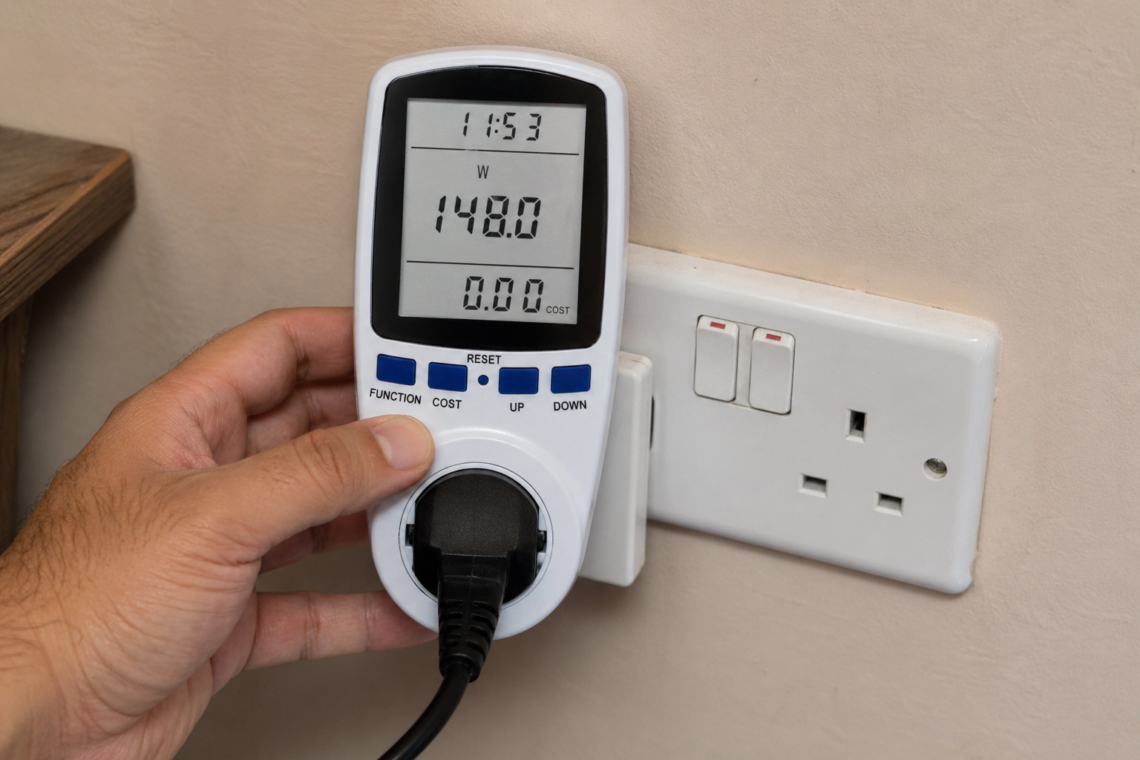
When people come across the word “wattios,” they are often trying to understand something related to electricity and power usage. Wattios is simply another way of referring to watts, which are units used to measure electrical power. This concept may sound technical at first, but it is actually something we deal with every day without even realizing it. From charging your phone to running a fan or turning on lights, wattios play a role in everything.
Understanding wattios helps you make better decisions about energy use in your home. It allows you to estimate electricity consumption, compare appliances, and even reduce your monthly bills. Instead of guessing how much power a device uses, wattios give you a clear and measurable way to understand it. This makes it an important concept for anyone who wants to manage energy more efficiently.
What Does Wattios Mean?
Wattios represent the amount of electrical power a device uses at a specific moment. In simple terms, one watt (or wattio) equals one joule of energy used per second. This means it measures how quickly energy is being consumed or converted into another form, such as light, heat, or motion.
For example, if a light bulb is labeled as 60 wattios, it means that it uses 60 units of power every second it is turned on. This does not tell you how much electricity it will use over time, but it does give you an idea of how powerful or energy-demanding the device is at any given moment. This is why wattios are often printed on appliances and electronics.
Why Wattios Are Important In Daily Life
Wattios are important because they directly affect how much electricity your home uses. Every appliance, from a small phone charger to a large air conditioner, has a wattage rating. Devices with higher wattios generally consume more power while they are running.
By understanding wattios, you can make smarter choices when buying appliances. For instance, two devices may perform the same function, but one may use fewer wattios, making it more energy-efficient. Over time, choosing lower-wattage devices can lead to noticeable savings on your electricity bill.
Wattios also help you avoid overloading electrical circuits. If too many high-wattage devices are used at the same time, it can strain your system and cause safety issues. Knowing the wattios of your appliances allows you to manage usage more safely.
Wattios Vs Kilowatt-Hours: What’s The Difference?
A common point of confusion is the difference between wattios and kilowatt-hours. While wattios measure power at a single moment, kilowatt-hours measure the total amount of energy used over time. This distinction is important when it comes to understanding your electricity bill.
For example, a 100-watt device running for one hour uses 100 watt-hours, or 0.1 kilowatt-hours. Electricity providers charge based on kilowatt-hours, not wattios. So, even if a device has a high wattage, it will not cost much if it is used for a short period.
Understanding this difference helps you control your energy consumption more effectively. Instead of focusing only on wattios, you also need to consider how long you use each appliance.
Wattios, Volts, And Amps Explained Simply
Electricity is often explained using three basic units: volts, amps, and watts (wattios). These three work together to describe how electricity flows and how much power is being used.
Volts measure the pressure that pushes electricity through a circuit. Amps measure the flow of electric current. Wattios, on the other hand, represent the actual power being used. The relationship between them can be expressed in a simple formula: watts equal volts multiplied by amps.
This means that if either the voltage or the current increases, the wattios will also increase. Understanding this relationship can help you better understand how electrical devices function and why some consume more power than others.
Common Examples Of Wattios In Home Appliances
In everyday life, wattios can be seen on almost every electrical device. For example, LED bulbs usually have low wattios, often between 5 and 15 watts, yet they provide strong brightness. This makes them energy-efficient compared to older incandescent bulbs, which may use 60 wattios or more for similar lighting.
Other household appliances have much higher wattios. A microwave oven may use around 800 to 1200 watts, while an electric heater can use over 1500 watts. Air conditioners and refrigerators also consume significant power, especially when running continuously.
These examples show that wattios can vary widely depending on the type of appliance. Knowing these values helps you understand which devices consume the most energy and where you might reduce usage.
How To Calculate Electricity Usage From Wattios
Calculating electricity usage using wattios is simple once you understand the basic steps. First, find the wattage of the device. Then convert it into kilowatts by dividing by 1000. After that, multiply the kilowatts by the number of hours the device is used.
For example, if you have a 100-watt appliance and you use it for 5 hours, the calculation would be 0.1 kilowatts multiplied by 5 hours, which equals 0.5 kilowatt-hours. This is the amount of energy the device has consumed.
By using this method, you can estimate how much electricity different appliances use and identify which ones contribute the most to your energy bill. This can help you make better decisions about usage and efficiency.
Expert Tips To Reduce Power Consumption
Reducing power consumption does not always require major changes. Small adjustments can make a big difference over time. One effective tip is to replace old appliances with energy-efficient models that use fewer wattios. Modern devices are often designed to provide the same performance while consuming less power.
Another useful habit is turning off devices when they are not in use. Many appliances continue to draw power even in standby mode. Unplugging them or using power strips can help reduce this hidden consumption.
Using natural light during the day and limiting the use of high-wattage appliances can also help. For example, running washing machines or dishwashers only with full loads ensures you get the most value from the energy used.
Common Mistakes People Make About Wattios
One common mistake is assuming that higher wattios always mean better performance. While this may be true for some devices, it is not always the case. For example, modern LED bulbs provide excellent brightness with much lower wattios compared to traditional bulbs.
Another mistake is confusing wattios with total energy consumption. As discussed earlier, wattios only measure power at a specific moment, not over time. A high-wattage device used briefly may consume less energy than a low-wattage device used for many hours.
People also often ignore usage patterns. Even efficient devices can lead to high energy bills if they are used excessively. Understanding both wattios and usage time is essential for managing energy effectively.
Conclusion
Understanding wattios gives you control over how you use electricity in your daily life. It allows you to make informed decisions about appliances, reduce unnecessary energy consumption, and manage your electricity costs more effectively. Instead of relying on guesswork, you can use wattios as a practical tool to measure and improve efficiency.
By learning how wattios work and applying simple strategies, you can create a more energy-conscious lifestyle. This not only benefits your budget but also contributes to a more sustainable environment. In the end, wattios are not just technical terms—they are a key part of understanding and managing modern energy use.
FAQ’s:
What Are Wattios?
Wattios are units used to measure electrical power, similar to watts. They show how much power a device uses at a specific moment.
Are Wattios The Same As Watts?
Yes, wattios refer to the same concept as watts. It is simply a variation or alternate way of expressing the term.
How Do Wattios Affect Electricity Bills?
Wattios determine how much power an appliance uses, but your bill depends on how long the device runs, measured in kilowatt-hours.
What Is The Difference Between Wattios And Kilowatt-Hours?
Wattios measure power at a moment, while kilowatt-hours measure total energy used over time.
How Can I Reduce Wattios Usage At Home?
You can reduce usage by choosing energy-efficient appliances, turning off unused devices, and limiting the use of high-power equipment.
Craving more knowledge? Head over to my website for new articles.
Disclaimer
The information provided in this article is for general educational and informational purposes only. While every effort has been made to ensure accuracy, the content should not be considered professional or technical advice. Electrical concepts may vary depending on specific devices, systems, or local regulations. Readers are advised to consult a qualified electrician or energy expert for precise guidance related to their situation. The use of the term “wattios” is for informational clarity and may represent a variation of commonly used terminology.