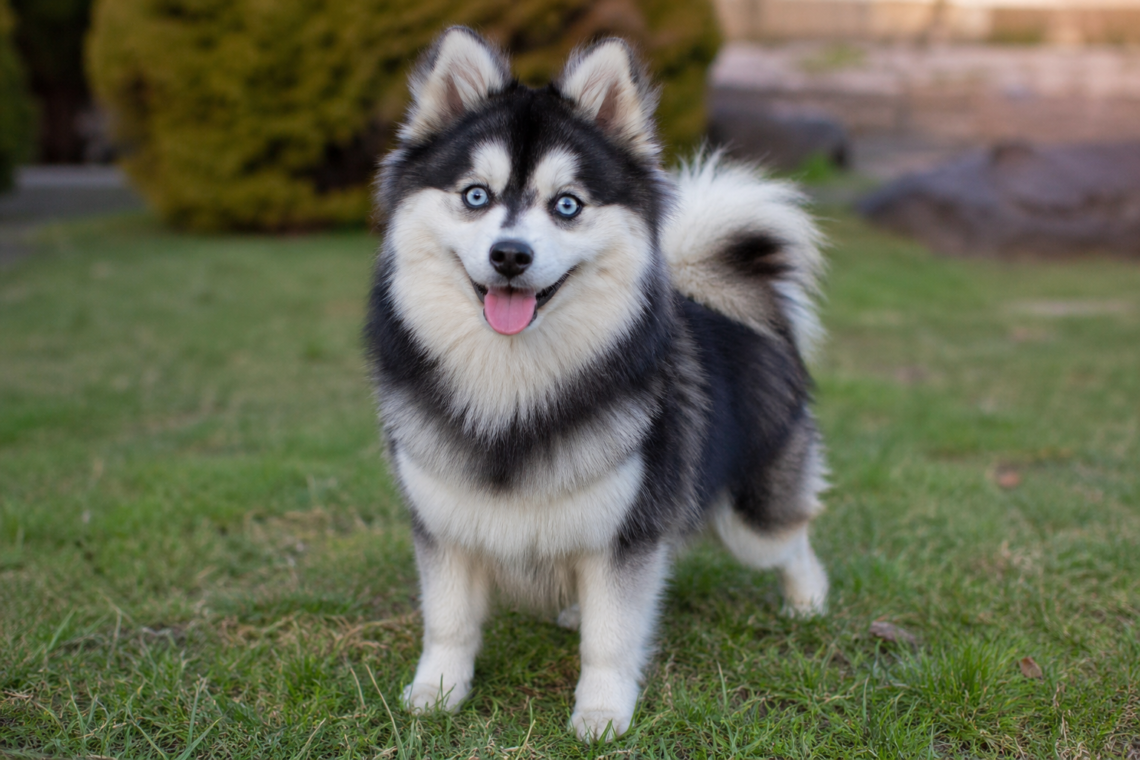
The pomerusky is a charming and increasingly popular designer dog that combines the playful nature of the Pomeranian with the striking looks of the Siberian Husky. Many people are drawn to this breed because of its compact size and wolf-like appearance, making it both adorable and unique. Whether you are considering getting one or simply want to learn more, understanding the pomerusky’s personality, care needs, and lifestyle requirements is essential. This guide provides a complete and practical overview to help you make informed decisions and care for this breed properly.
What Is A Pomerusky?
A pomerusky, often referred to as a Pomsky, is a hybrid dog created by crossing a Pomeranian with a Siberian Husky. This mix aims to combine the Husky’s beautiful coat and expressive eyes with the smaller, more manageable size of a Pomeranian. Because it is a mixed breed, no two pomeruskies look exactly the same. Some may resemble miniature Huskies, while others lean more toward the fluffy Pomeranian appearance. This variation is part of what makes the breed so interesting and appealing to dog lovers.
Pomerusky Appearance And Size
The appearance of a pomerusky can vary widely, even within the same litter. Most have a soft, thick double coat that may come in colors like black, white, gray, brown, or a mix of these shades. Many also inherit the Husky’s striking blue eyes or even heterochromia, where each eye is a different color. In terms of size, pomeruskies are generally small to medium dogs, usually weighing between 10 to 30 pounds. Their compact size makes them suitable for both houses and apartments, although their energy levels still require attention.
Pomerusky Temperament And Personality
Pomeruskies are known for their lively, intelligent, and affectionate personalities. They tend to form strong bonds with their owners and enjoy being part of daily activities. These dogs are playful and curious, often showing a mischievous side that keeps their owners entertained. However, they can also inherit a stubborn streak from both parent breeds, which may make training a bit challenging if not handled properly. With the right approach, their intelligence makes them quick learners who respond well to positive reinforcement.
Is A Pomerusky Good For Families?
A pomerusky can be a great addition to many families, especially those who have time to interact and engage with their pet. They generally get along well with older children who understand how to treat dogs gently. Because of their small size, supervision is important around younger kids to prevent accidental injuries. These dogs also benefit from early socialization, which helps them become more comfortable around other pets and unfamiliar people. With proper guidance, they can adapt well to different living environments.
Exercise Needs Of A Pomerusky
Despite their smaller size, pomeruskies are energetic dogs that need regular exercise to stay healthy and happy. Daily walks, combined with playtime, are usually enough to meet their physical needs. They also enjoy activities that challenge their minds, such as puzzle toys or training games. Without enough stimulation, they may become bored and develop unwanted behaviors like excessive barking or chewing. Keeping them active helps maintain both their physical fitness and mental well-being.
Training A Pomerusky The Right Way
Training a pomerusky requires patience, consistency, and a positive attitude. These dogs respond best to reward-based training methods, where good behavior is encouraged with treats, praise, or play. Starting training at an early age is important to establish good habits and prevent stubborn tendencies from becoming a problem. Short and engaging training sessions work better than long ones, as they help maintain the dog’s focus. Consistency in commands and routines also plays a key role in successful training.
Grooming And Shedding Care
Pomeruskies have a thick double coat that requires regular grooming to keep it in good condition. Brushing several times a week helps remove loose hair and prevents tangles or matting. During shedding seasons, which usually occur twice a year, more frequent brushing may be necessary. Bathing should be done as needed, using dog-friendly products to protect their skin and coat. Routine care such as nail trimming, ear cleaning, and dental hygiene is also essential for maintaining overall health.
Common Health Issues In Pomeruskies
Like all mixed breeds, pomeruskies may inherit health conditions from their parent breeds. Some common concerns include dental problems, joint issues like patellar luxation, and eye conditions. Regular veterinary checkups are important for early detection and prevention of potential health problems. Maintaining a healthy diet and providing proper exercise can also reduce the risk of certain issues. Responsible breeding practices play a significant role in minimizing genetic health risks.
Pomerusky Diet And Feeding Tips
Feeding a pomerusky a balanced and high-quality diet is essential for their growth and long-term health. The amount of food depends on factors such as age, weight, and activity level. Puppies require more frequent meals, while adult dogs usually do well with two meals a day. It is important to avoid overfeeding, as this breed can gain weight easily if not monitored. Fresh water should always be available, and occasional healthy treats can be used during training.
Pomerusky Puppy Adoption And Buying Advice
If you are planning to bring a pomerusky into your home, it is important to choose a responsible breeder or consider adoption from a reputable rescue organization. A good breeder will provide health records, information about the puppy’s parents, and proper care guidance. Avoid purchasing from unreliable sources that may prioritize profit over the well-being of the animals. Taking the time to research and ask the right questions ensures you get a healthy and well-socialized puppy.
Pros And Cons Of Owning A Pomerusky
Owning a pomerusky comes with both advantages and challenges. On the positive side, they are affectionate, intelligent, and visually striking dogs that can bring a lot of joy to a household. Their smaller size makes them easier to manage compared to larger breeds. However, they also require regular grooming, consistent training, and enough time for exercise and interaction. Understanding both the pros and cons helps set realistic expectations and ensures a better experience for both the owner and the dog.
Who Should Own A Pomerusky?
A pomerusky is best suited for individuals or families who can dedicate time to training, grooming, and daily interaction. They thrive in environments where they receive attention and mental stimulation. First-time dog owners can manage this breed if they are willing to learn and stay consistent with training. People with busy schedules or limited time for pet care may find it challenging to meet the needs of this energetic and social dog.
Conclusion
The pomerusky is a unique and lovable hybrid that combines beauty, intelligence, and personality in a compact package. While they are undeniably charming, they also require commitment in terms of care, training, and attention. By understanding their needs and providing a supportive environment, owners can enjoy a rewarding relationship with this delightful breed. Whether you are drawn to their appearance or their playful nature, the pomerusky can be a wonderful companion when cared for properly.
FAQ’s:
What Is A Pomerusky?
A pomerusky is a hybrid dog breed created by mixing a Pomeranian with a Siberian Husky, known for its small size and Husky-like appearance.
How Big Does A Pomerusky Get?
A pomerusky usually weighs between 10 to 30 pounds and can vary in size depending on which parent breed it takes after.
Are Pomeruskies Easy To Train?
They are intelligent but can be slightly stubborn, so consistent and positive reinforcement training works best.
Do Pomeruskies Shed A Lot?
Yes, they have a thick double coat and tend to shed, especially during seasonal changes, so regular brushing is important.
Is A Pomerusky Good For Apartment Living?
Yes, their small size makes them suitable for apartments, but they still need daily exercise and mental stimulation.
Craving more knowledge? Head over to my website for new articles.
Disclaimer
This article is for general informational purposes only and is not a substitute for professional veterinary advice. While we aim to provide accurate and helpful information about the pomerusky, individual dogs may have different needs, behaviors, and health conditions. Always consult a qualified veterinarian or pet care professional before making decisions related to your pet’s health, diet, or training. We do not guarantee specific outcomes, and readers are encouraged to use their own judgment when applying the information provided.