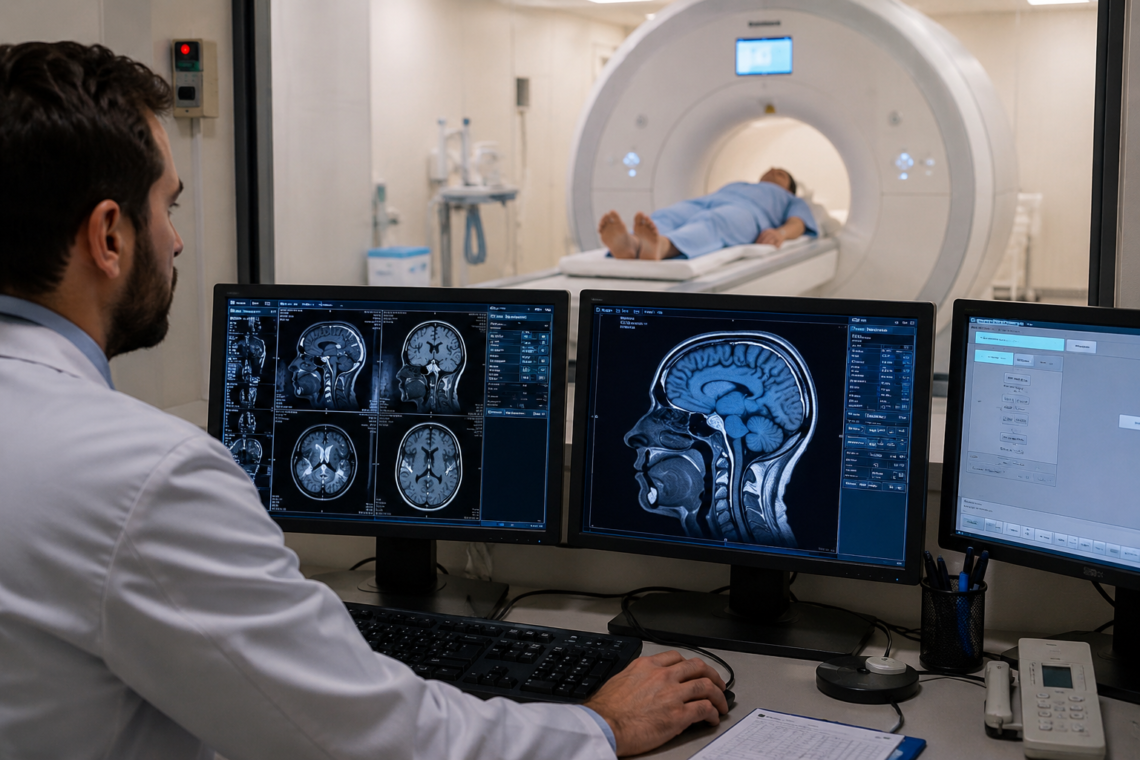
The term “diag image” is commonly connected with diagnostic imaging, a medical process that helps doctors examine the inside of the human body without surgery. Modern healthcare depends heavily on imaging technology because it allows medical professionals to identify injuries, illnesses, and internal conditions more accurately. From broken bones to organ problems, diagnostic imaging plays an important role in helping doctors understand what is happening inside the body.
Today, hospitals and healthcare centers use different imaging methods to improve patient care and reduce guesswork. Many people hear terms like MRI, CT scan, ultrasound, or X-ray during medical visits, but they may not fully understand how these tests work or why they are important. A diag image helps healthcare providers detect health conditions early, monitor recovery, and plan treatments more effectively.
This guide explains everything you should know about diag image technology in simple language. Whether you are preparing for a medical scan or simply want to understand how diagnostic imaging works, this article provides practical and trustworthy information.
What Is A Diag Image?
A diag image refers to a medical image created through diagnostic imaging technology. These images allow doctors to view bones, tissues, muscles, organs, and blood vessels inside the body. Instead of performing surgery to look for problems, doctors can use imaging equipment to examine internal structures safely and quickly.
Diagnostic imaging has become a standard part of healthcare because it improves accuracy during diagnosis. For example, if a patient experiences chest pain, an imaging test may help doctors identify lung issues, heart problems, or injuries. In the same way, imaging helps detect tumors, infections, fractures, and other medical conditions.
The quality of a diag image is important because clear images help radiologists and doctors make better decisions. Modern imaging systems use advanced digital technology to produce detailed pictures that can be stored, shared, and reviewed electronically.
Why Diagnostic Imaging Is Important
Diagnostic imaging has changed the way healthcare professionals treat patients. In the past, doctors relied heavily on symptoms and physical examinations alone. While those methods are still important, imaging technology now provides visual evidence that supports medical decisions.
One major benefit of a diag image is early detection. Many health conditions are easier to treat when they are found early. Imaging tests can reveal problems before symptoms become severe. This is especially helpful for conditions such as cancer, internal bleeding, lung disease, and joint damage.
Imaging also improves treatment planning. Surgeons often use imaging results before performing operations because the images help them understand the exact location and severity of a condition. In addition, doctors may use repeated scans to monitor whether a treatment is working properly.
Another reason diagnostic imaging is valuable is that it often reduces the need for invasive procedures. Instead of exploratory surgery, doctors can gather important information using noninvasive imaging tests.
Common Types Of Diag Image Technology
Several imaging methods are used in healthcare, and each one serves a different purpose. The type of scan depends on the patient’s symptoms and medical needs.
X-rays are one of the most common forms of diagnostic imaging. They are mainly used to detect fractures, dental problems, chest infections, and certain bone conditions. X-rays are fast and widely available in hospitals and clinics.
CT scans provide more detailed images than regular X-rays. A CT scanner captures multiple images from different angles and combines them into cross-sectional views of the body. Doctors often use CT scans for injuries, internal bleeding, and complex medical conditions.
MRI scans use magnetic fields and radio waves instead of radiation. MRI technology produces highly detailed images of soft tissues, including muscles, nerves, the brain, and joints. Many doctors prefer MRI scans when evaluating spinal injuries or neurological conditions.
Ultrasound imaging uses sound waves to create live images inside the body. Ultrasounds are commonly used during pregnancy, but they are also helpful for examining organs, blood flow, and soft tissue conditions.
PET scans focus on how organs and tissues function. These scans are often used in cancer diagnosis and treatment monitoring because they can detect abnormal activity inside the body.
How A Diag Image Is Created
The process of creating a diag image depends on the type of imaging test being performed. However, most procedures follow similar steps. First, the patient is positioned correctly so the imaging equipment can capture clear and accurate images.
During the scan, the imaging machine collects data from the body. In some cases, contrast dye may be used to improve visibility. This dye helps certain organs or blood vessels appear more clearly on the final images.
After the scan is completed, the images are reviewed by a radiologist. A radiologist is a medical specialist trained to interpret diagnostic images. The radiologist studies the images carefully and prepares a report for the patient’s doctor.
Modern healthcare facilities usually store diagnostic images digitally. This allows doctors to access previous scans easily and compare changes over time. Digital storage also helps hospitals share images quickly between departments or specialists.
When Doctors Recommend Diagnostic Imaging
Doctors recommend diagnostic imaging for many different reasons. Imaging tests are often requested when symptoms cannot be explained through a regular physical examination alone.
A patient with severe pain after an accident may need imaging to check for fractures or internal injuries. Someone with persistent headaches may undergo brain imaging to identify possible neurological conditions. Infections, swelling, breathing problems, and abdominal pain are also common reasons for imaging tests.
Doctors may also use diag image technology to monitor long-term conditions. Patients recovering from surgery or undergoing cancer treatment often require follow-up scans to track healing and treatment progress.
Preventive healthcare also uses imaging in some situations. Mammograms, for example, are used to detect breast cancer early, even before symptoms appear. Early screening can improve treatment success and reduce health risks.
Benefits Of Diag Image For Patients
One of the biggest advantages of diagnostic imaging is that it helps doctors make faster and more accurate decisions. Clear imaging results reduce uncertainty and improve the overall quality of patient care.
Many imaging procedures are noninvasive, meaning they do not require surgery or large incisions. This makes the experience safer and more comfortable for patients. Most scans are completed within a short period, allowing doctors to begin treatment sooner.
Diagnostic imaging also helps prevent unnecessary procedures. If imaging results show that a condition is minor or unrelated to serious disease, patients may avoid surgeries or treatments they do not actually need.
Another important benefit is monitoring. Doctors can compare old and new scans to evaluate whether a condition is improving, worsening, or remaining stable. This helps create more personalized treatment plans.
Risks And Safety Considerations
Although diagnostic imaging is generally safe, patients should still understand certain risks and precautions. Some imaging methods, such as X-rays and CT scans, use radiation. While the radiation levels are usually low, doctors avoid unnecessary exposure whenever possible.
MRI scans do not use radiation, but they may not be suitable for people with certain metal implants or medical devices. Patients should always inform healthcare staff about implants, pacemakers, or metal fragments before an MRI scan.
Contrast dyes used during some imaging tests can occasionally cause allergic reactions or complications in people with kidney problems. Doctors usually review a patient’s medical history before using contrast materials.
Pregnant women should also inform healthcare providers before undergoing imaging tests. Some scans may require additional precautions during pregnancy.
Following preparation instructions is important for accurate results. Certain scans may require fasting, avoiding specific medications, or drinking extra fluids before the procedure.
The Growing Role Of Artificial Intelligence In Diagnostic Imaging
Artificial intelligence is becoming more common in healthcare imaging systems. AI tools can help radiologists analyze scans more efficiently and identify patterns that may be difficult to notice quickly.
For example, AI software can highlight areas that appear unusual on chest scans, brain imaging, or cancer screenings. This technology supports doctors by improving workflow and reducing delays in diagnosis.
However, AI does not replace medical professionals. Human expertise remains essential because doctors must interpret results within the context of the patient’s symptoms and medical history. Most healthcare experts view AI as a supportive tool rather than a replacement for radiologists.
As imaging technology continues to improve, AI systems are expected to assist with faster analysis, improved accuracy, and better patient management.
Tips Before Going For A Diagnostic Imaging Test
Patients can make the imaging process easier by preparing properly before their appointment. Wearing comfortable clothing and arriving early can reduce stress during the visit.
It is also helpful to bring previous imaging reports if they are available. Comparing older scans with newer ones often helps doctors identify changes more accurately.
Patients should ask questions if they do not understand the procedure. Knowing what to expect can reduce anxiety and improve cooperation during the scan. Staying still during imaging is especially important because movement can affect image quality.
People who feel nervous in small spaces should tell the healthcare staff before an MRI scan. Many facilities offer support or alternative solutions for patients with claustrophobia.
Conclusion
Diag image technology has become one of the most important tools in modern healthcare. From detecting injuries to diagnosing complex diseases, diagnostic imaging helps doctors make informed medical decisions while improving patient safety and treatment planning.
Modern imaging systems provide fast, accurate, and detailed information that supports better healthcare outcomes. Whether through X-rays, MRI scans, ultrasounds, or CT scans, a diag image gives medical professionals a clearer understanding of the human body without invasive procedures.
As technology continues to advance, diagnostic imaging will likely become even more accurate and accessible. Patients who understand the purpose and benefits of imaging tests often feel more confident during medical care. By learning how diag image technology works, individuals can make better-informed healthcare decisions and communicate more effectively with medical professionals.
FAQ’s:
What Does Diag Image Mean?
Diag image usually refers to diagnostic imaging used to examine the inside of the body through medical scans.
Is Diagnostic Imaging Safe?
Yes, most diagnostic imaging tests are considered safe when performed by trained healthcare professionals.
Which Diag Image Test Is Best For Soft Tissues?
MRI scans are commonly used for detailed images of soft tissues, muscles, and nerves.
Do All Imaging Tests Use Radiation?
No, tests like MRI and ultrasound do not use radiation.
How Long Does A Diagnostic Imaging Test Take?
The time depends on the scan type, but many imaging tests take between 15 and 60 minutes.
Craving more knowledge? Head over to my website for new articles.
Disclaimer
This article is for informational and educational purposes only and should not be considered medical advice, diagnosis, or treatment. Always consult a qualified healthcare professional or medical provider regarding any health concerns, symptoms, or diagnostic imaging decisions. Information in this article may not apply to every individual or medical condition.