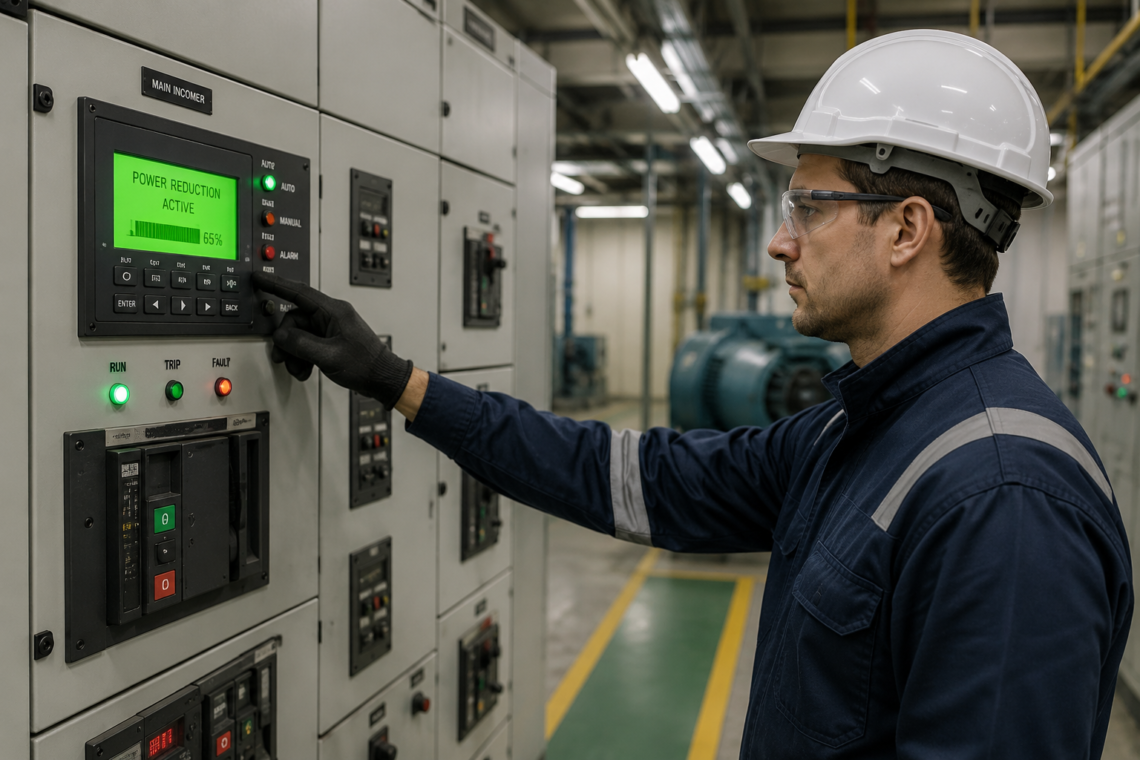
Automatic power reduction is a safety and efficiency feature used in many modern electrical, industrial, telecom, and renewable energy systems. The main purpose of this technology is to reduce power output automatically when a system detects abnormal conditions, overload, overheating, signal loss, or operational risks. Instead of allowing equipment to continue running at full power during unsafe conditions, the system lowers the power level to protect devices, improve stability, and reduce the chances of damage.
Today, automatic power reduction is widely used in optical communication networks, solar energy systems, industrial machinery, data centers, and electronic equipment. As technology becomes more advanced, businesses and engineers rely more on automated protection systems to maintain performance and reduce operational risks. This feature not only improves equipment safety but also helps organizations reduce maintenance costs and energy waste over time.
For many industries, automatic power reduction has become an essential part of modern infrastructure because it allows systems to respond quickly without requiring manual action. This is especially important in environments where even a small failure can affect performance, safety, or network reliability.
What Does Automatic Power Reduction Mean?
Automatic power reduction refers to a built-in process that lowers the output power of a system whenever certain unsafe or unstable conditions are detected. The reduction may happen partially or temporarily depending on the type of equipment and the severity of the issue. Unlike a complete shutdown, the system usually continues operating at a safer level until the problem is resolved.
In simple terms, the technology acts like an automatic safety controller. For example, if a machine starts overheating, the system may lower its operating power to prevent internal damage. In optical networks, if a fiber cable disconnects unexpectedly, the laser power can automatically decrease to protect technicians from exposure to harmful laser signals.
This process is important because many modern systems operate continuously for long periods. Without automatic power reduction, small faults could quickly become larger technical failures. By reducing stress on equipment during risky conditions, systems can maintain stability and avoid sudden breakdowns.
How Automatic Power Reduction Works
Automatic power reduction systems usually depend on sensors, monitoring tools, and intelligent controllers. These components work together to detect abnormal operating conditions in real time. Once the system identifies a problem, it sends a signal to reduce the output power automatically.
The process often begins with continuous monitoring. Sensors measure factors such as temperature, electrical load, voltage, signal strength, or network activity. If the readings move outside safe operating limits, the control system reacts immediately. In some cases, the reduction happens within seconds to prevent damage or safety risks.
After the issue is corrected, many systems can restore normal power levels automatically. This allows operations to continue smoothly without requiring a complete restart. In advanced systems, automatic power reduction can also work alongside alarms, diagnostic tools, and remote monitoring software to help technicians identify the exact cause of the problem.
One important advantage of this technology is that it reduces human error. Instead of waiting for someone to manually notice a problem, the system responds automatically before conditions become dangerous.
Automatic Power Reduction In Optical Networks
One of the most common applications of automatic power reduction is in optical fiber communication systems. High-power optical amplifiers and laser-based equipment can create safety risks if fiber connections become disconnected or damaged. Invisible laser light can harm technicians who are working near exposed optical cables.
To reduce this risk, optical systems use automatic power reduction features that lower laser output when signal loss or fiber breaks are detected. This process helps improve workplace safety while protecting sensitive optical equipment from instability.
In telecom infrastructure, maintaining network reliability is extremely important. A damaged fiber connection can interrupt communication services, internet traffic, and data transmission. Automatic power reduction helps stabilize the system until technicians repair the issue.
Many network engineers consider this feature essential because optical communication systems often operate continuously at high power levels. Without proper protection, equipment failures could become more serious and expensive.
Automatic Power Reduction In Renewable Energy Systems
Renewable energy systems also use automatic power reduction to manage electrical output efficiently. Solar plants and power generation facilities sometimes produce more electricity than the grid can safely handle. In these situations, operators may use automatic reduction systems to lower energy production temporarily.
This process helps maintain grid stability and prevents overload conditions. It also allows utility operators to balance electricity demand and supply more effectively. In large-scale renewable energy installations, even small changes in output must be controlled carefully to avoid disruptions.
Automatic power reduction is especially useful during extreme weather conditions or periods of low energy demand. Instead of shutting down an entire power generation system, operators can reduce output gradually and maintain safer operating conditions.
As renewable energy usage continues to grow worldwide, intelligent power management systems are becoming more important. Many experts believe automated power control technologies will play a major role in future energy infrastructure.
Benefits Of Automatic Power Reduction
One of the biggest advantages of automatic power reduction is improved equipment safety. Systems that operate at high temperatures or heavy electrical loads face greater risks of failure. Reducing power during unsafe conditions helps protect internal components and extend equipment lifespan.
Another important benefit is energy efficiency. Many systems consume unnecessary power during unstable operating conditions. Lowering output when full performance is not required can reduce energy waste and operating costs.
Automatic power reduction also improves reliability. Businesses that depend on continuous operations, such as telecom providers and industrial facilities, need stable systems to avoid service interruptions. Automated protection features help reduce downtime and improve operational consistency.
Maintenance costs can also decrease over time. Equipment that experiences less stress generally requires fewer repairs and replacement parts. This makes automatic power reduction valuable for organizations looking to improve long-term performance and cost management.
In some industries, safety regulations and technical standards require automated protection systems. Using automatic power reduction can help companies maintain compliance while improving overall operational safety.
Automatic Power Reduction Vs Automatic Power Control
Although the terms sound similar, automatic power reduction and automatic power control are not exactly the same. Automatic power control is mainly designed to maintain stable output during normal operating conditions. It continuously adjusts power levels to keep performance consistent.
Automatic power reduction, however, is more focused on protection and risk management. Its primary role is to lower output when unsafe conditions appear. In simple terms, automatic power control helps maintain stability, while automatic power reduction helps prevent damage.
For example, a communication system may use automatic power control to maintain stable signal strength during daily operation. If the system detects overheating or signal failure, automatic power reduction may activate to lower output until the issue is resolved.
Understanding the difference between these systems is important because both technologies often work together in advanced equipment.
Common Situations That Trigger Automatic Power Reduction
Several conditions can activate automatic power reduction systems. One of the most common triggers is overheating. High temperatures can damage internal components, reduce efficiency, and increase the risk of equipment failure.
Signal loss is another major trigger, especially in optical communication systems. If a fiber cable disconnects or becomes damaged, the system may reduce laser power immediately for safety reasons.
Electrical overloads can also activate the feature. When systems operate beyond safe power limits, reducing output helps prevent damage to circuits and connected equipment.
In renewable energy systems, grid instability or low electricity demand may trigger automatic reduction. Industrial equipment may also reduce power when sensors detect abnormal vibration, pressure, or cooling failures.
These automated responses allow systems to react quickly without waiting for manual intervention. This improves safety and reduces the chances of severe operational problems.
Troubleshooting Automatic Power Reduction Problems
Although automatic power reduction improves safety, repeated activation may indicate an underlying issue that requires attention. Technicians usually begin troubleshooting by checking system logs and monitoring data to identify abnormal conditions.
In optical systems, dirty connectors and damaged fiber cables are common causes of repeated reduction events. Cleaning connections and inspecting cables can often resolve the issue quickly.
Overheating problems may require checking cooling fans, ventilation systems, or airflow restrictions. In industrial equipment, faulty sensors or incorrect calibration settings can also trigger unnecessary power reduction.
It is important not to ignore repeated alerts. Some operators attempt to bypass safety systems to avoid interruptions, but this can create serious equipment and safety risks. Proper inspection and maintenance are always the better solution.
Routine monitoring and preventive maintenance can help reduce unexpected activation and improve long-term system performance.
The Future Of Automatic Power Reduction
Automatic power reduction technology is expected to become more advanced as industries adopt smarter automation systems. Artificial intelligence and predictive monitoring tools are already being integrated into many modern platforms.
Future systems may detect problems earlier and respond more accurately based on operating patterns and environmental conditions. This could improve efficiency while reducing unnecessary power limitations.
Data centers, renewable energy networks, and telecom infrastructure are likely to rely even more on intelligent protection systems in the coming years. As equipment becomes more complex, automated safety features will continue to play an important role in maintaining reliability.
Experts also expect future systems to improve remote diagnostics and cloud-based monitoring capabilities. This would allow operators to identify problems faster and manage systems more efficiently from different locations.
Conclusion
Automatic power reduction is an important technology that helps improve safety, equipment protection, operational stability, and energy efficiency. From telecom networks to renewable energy systems, this feature allows equipment to respond automatically when unsafe conditions appear.
Instead of waiting for a complete failure, systems can reduce output temporarily and continue operating more safely. This approach helps prevent costly damage while supporting better long-term performance.
As industries continue moving toward automation and intelligent infrastructure, automatic power reduction will remain a valuable part of modern system design. Businesses and technicians that understand how this technology works can improve reliability, reduce risks, and maintain safer operations across many different applications.
FAQ’s:
What Is Automatic Power Reduction?
Automatic power reduction is a system feature that lowers power output automatically when unsafe or unstable conditions are detected.
Why Is Automatic Power Reduction Important?
It helps protect equipment, improve safety, reduce overheating, and prevent system failures.
Where Is Automatic Power Reduction Commonly Used?
It is commonly used in telecom networks, renewable energy systems, industrial machines, and electronic devices.
Does Automatic Power Reduction Completely Shut Down Equipment?
No, it usually lowers the power level temporarily instead of fully shutting the system down.
Can Automatic Power Reduction Improve Energy Efficiency?
Yes, it can reduce unnecessary power usage and help systems operate more efficiently.
Craving more knowledge? Head over to my website for new articles.
Disclaimer
This article is for informational and educational purposes only. While every effort has been made to provide accurate and updated information about automatic power reduction, technical systems and safety requirements may vary depending on equipment, industry standards, and manufacturer guidelines. Readers should consult qualified professionals or official technical documentation before making operational, electrical, or safety-related decisions.