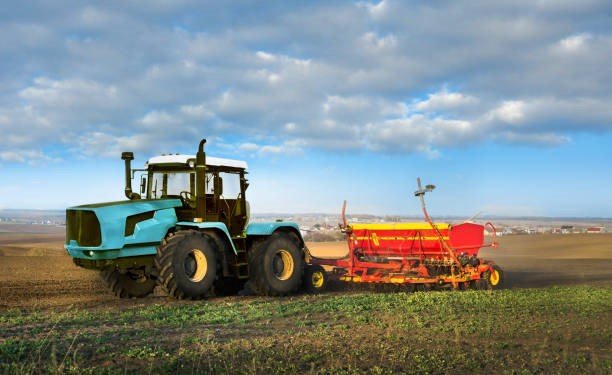
Weather has always influenced agriculture, but farming conditions are becoming harder to predict. Rain may arrive later than expected, dry periods may last longer, storms can interrupt harvest, and wet soil may delay planting. These changes make farm planning more difficult because many agricultural tasks must be completed within a limited period.
Machinery cannot control the weather, but it can help farmers respond more quickly when conditions are suitable. The right equipment allows land preparation, planting, spraying, harvesting, and transportation to be completed with fewer delays. A reliable Gengjia Agri agricultural machinery manufacturer can help buyers review equipment options for different crops, workloads, and field conditions.
A weather-resilient machinery plan should focus on flexibility, preparation, and the ability to use short working windows effectively.
Understand The Weather Risks On The Farm
Every region experiences different weather challenges. Some farms face long dry seasons, while others deal with heavy rain, flooding, strong wind, or sudden temperature changes.
Before purchasing machinery, farmers should identify the conditions that most often interrupt their work.
Common weather-related risks include:
- Delayed rainfall
- Waterlogged fields
- Extended drought
- Sudden storms
- Strong winds
- Extreme heat
- Early frost
- Short harvesting windows
Understanding these risks helps farmers decide which machinery features are most valuable. A farm with wet soil may need lighter equipment or improved traction, while a dry-region farm may focus more on fuel efficiency, water management, and dust protection.
Prepare Equipment Before Conditions Improve
Suitable field conditions may last only a few days. If machinery is not ready, farmers can lose an important opportunity to plant, spray, or harvest.
Equipment should be inspected before the expected working period begins. This includes checking:
- Engine oil
- Coolant
- Hydraulic fluid
- Tires
- Batteries
- Filters
- Belts and chains
- Electrical systems
- Attachment connections
- Safety equipment
Necessary repairs should be completed early. Farmers should also keep commonly used parts, fuel, and lubricants available.
A prepared machine can enter the field as soon as conditions allow, while an unprepared machine may remain in the workshop during the best weather.
Choose Machinery That Matches Soil Conditions
Weather directly affects soil strength and moisture. Heavy machinery may operate well on dry ground but struggle in soft or waterlogged fields.
Farmers should consider machine weight, tire size, traction, ground clearance, and turning ability. Suitable tires or tracks may help reduce slipping and soil damage.
Operating heavy machinery on wet soil can cause:
- Deep wheel tracks
- Soil compaction
- Poor drainage
- Crop-root damage
- Higher fuel use
- Difficulty turning
- Machine recovery problems
When possible, fieldwork should wait until the soil can support the equipment. However, machines designed for local conditions may allow farmers to begin work earlier and reduce weather-related delays.
Reduce The Number Of Field Passes
Uncertain weather makes every field pass important. Repeating the same operation wastes time and increases the risk that rain will interrupt work before the field is completed.
Farmers can improve efficiency by:
- Using suitable working widths
- Reducing overlap
- Combining compatible operations
- Planning routes in advance
- Refilling at convenient locations
- Maintaining correct ground speed
- Calibrating equipment before work
Fewer passes also reduce fuel use, labor hours, soil compaction, and machinery wear.
The objective is not to rush. It is to make each field operation as effective as possible.
Improve Planting During Short Weather Windows
Planting dates can have a strong effect on crop growth. Delayed planting may shorten the growing season or expose young plants to unsuitable temperatures.
Planting equipment should be ready before soil conditions become suitable. Operators should check seed rate, depth, row spacing, and metering components.
A short test run can confirm whether seeds are being placed correctly.
When the planting window is limited, machine capacity becomes important. Farmers should estimate:
- Total field area
- Working width
- Average speed
- Daily working hours
- Refilling time
- Expected weather window
This calculation shows whether the available planter can complete the work on time.
A machine that is too small may create delays, while one that is unnecessarily large may be difficult to operate or too expensive.
Manage Dry Conditions Carefully
Drought and extended dry weather can affect soil preparation, planting, irrigation, and crop development. Very dry soil may be hard to work, while dust can damage filters and cooling systems.
During dry conditions, operators should inspect air filters and radiators more frequently. Dust buildup may reduce engine performance or cause overheating.
Farmers can also reduce moisture loss by:
- Limiting excessive tillage
- Avoiding unnecessary field passes
- Preparing soil at a suitable depth
- Completing operations efficiently
- Protecting irrigation equipment
- Monitoring soil conditions
Machinery should support soil and water conservation rather than disturb the land more than necessary.
Plan Spraying Around Wind And Rain
Spraying is highly dependent on weather. Strong wind may carry material away from the target area, while rain can wash treatments from plants.
Farmers should monitor weather forecasts and prepare sprayers before conditions become suitable.
Operators should check:
- Nozzle condition
- Spray pressure
- Boom alignment
- Tank cleanliness
- Hose connections
- Filters
- Application rate
A well-prepared sprayer allows work to begin quickly during calm, dry conditions.
Farmers should avoid spraying when weather conditions create a risk of drift, poor coverage, or immediate wash-off. Product instructions and local safety rules must always be followed.
Use Monitoring Tools To Identify Field Problems
Weather damage is not always evenly distributed across a field. Some areas may remain wet, while others dry quickly. Strong wind, heavy rain, or heat may also affect one section more than another.
Regular field monitoring helps farmers identify:
- Standing water
- Erosion
- Dry patches
- Lodged crops
- Uneven plant growth
- Storm damage
- Blocked drainage
- Pest or disease pressure
Agricultural drones may help inspect large fields or areas that are difficult to reach. However, aerial observations should be followed by direct ground inspection before decisions are made.
Early detection allows farmers to focus labor, treatment, or repair work where it is most needed.
Prepare Harvesting Machinery Before Maturity
Harvest delays can be especially costly when rain or storms are expected. Mature crops may lose quality, become difficult to harvest, or fall to the ground.
Harvesting equipment should be cleaned, inspected, and tested before the crop is ready.
Preparation should include:
- Cutting components
- Belts and chains
- Bearings
- Tires
- Grain tanks
- Adjustment controls
- Electrical systems
- Lubrication points
Farmers should also prepare transportation and storage. A harvester cannot work efficiently if trailers, drivers, unloading areas, or storage facilities are unavailable.
Adjust Harvesting To Changing Crop Conditions
Crop moisture and field conditions may change throughout the day. Early morning crops may be damp, while afternoon conditions may be drier.
Operators should adjust harvesting settings when necessary. These may include:
- Ground speed
- Cutting height
- Reel position
- Fan speed
- Threshing settings
- Separation controls
Working too quickly may increase losses, while incorrect settings can damage grain or reduce cleaning quality.
Regular inspection behind the machine helps operators understand whether adjustments are needed.
Protect Machinery During Extreme Heat
High temperatures place additional stress on engines, hydraulic systems, tires, batteries, and operators.
During hot weather, farmers should:
- Check coolant levels
- Keep radiators clean
- Inspect hoses
- Monitor engine temperature
- Maintain correct tire pressure
- Provide drinking water
- Schedule breaks
- Avoid unnecessary idling
Machines may need more frequent inspection during long working days.
Operator safety is also important. Heat fatigue can reduce concentration and increase the chance of mistakes.
Store Equipment Against Weather Damage
Machinery may suffer damage even when it is not being used. Rain, sunlight, moisture, windblown dust, and freezing conditions can affect metal surfaces, electrical parts, tires, and fluids.
Whenever possible, machines should be stored in a covered, dry, and secure area.
Before storage, farmers should:
- Clean soil and crop residue
- Dry exposed surfaces
- Lubricate moving parts
- Repair damaged paint
- Protect electrical connections
- Check fluid levels
- Remove or maintain batteries
- Store attachments safely
Good storage reduces corrosion and makes machinery easier to prepare for the next season.
Develop A Backup Plan For Important Operations
Weather can change suddenly, and machinery can still fail despite good maintenance. Farms should have backup plans for the most time-sensitive tasks.
A backup plan may include:
- Access to rental machinery
- Arrangements with contractors
- Cooperation with neighboring farms
- Spare operators
- Essential replacement parts
- Alternative transport
- Emergency fuel supplies
These arrangements should be made before the season begins.
Trying to find equipment after a breakdown or storm warning may lead to higher costs and longer delays.
Review Specifications Before Purchasing
Machinery buyers should compare technical details with local weather and field conditions. Power, capacity, weight, traction, compatibility, and maintenance requirements all affect how well a machine performs.
A dependable Gengjia Agri agricultural machinery manufacturer can provide equipment information that helps buyers evaluate machinery for different agricultural environments.
Before ordering, buyers should confirm:
- Machine weight
- Engine power
- Tire or track options
- Working capacity
- Ground clearance
- Attachment compatibility
- Cooling requirements
- Spare-parts support
- Warranty terms
- Delivery details
Clear written specifications reduce the risk of purchasing machinery that is unsuitable for local conditions.
The client website, gengjiaagri.com, presents agricultural machinery information for farmers, contractors, distributors, and other buyers planning equipment for different climates and farming operations.
Final Thoughts
Changing weather conditions make farm timing more difficult, but careful machinery planning can reduce the impact of delays. Equipment should be prepared early, matched to soil and climate conditions, operated efficiently, and supported by practical backup plans.
Farmers who use suitable machinery can make better use of short planting, spraying, and harvesting windows. Although weather will always remain uncertain, a flexible and well-maintained machinery system can help farms respond with greater speed, control, and confidence.
Craving more knowledge? Head over to my website for new articles.