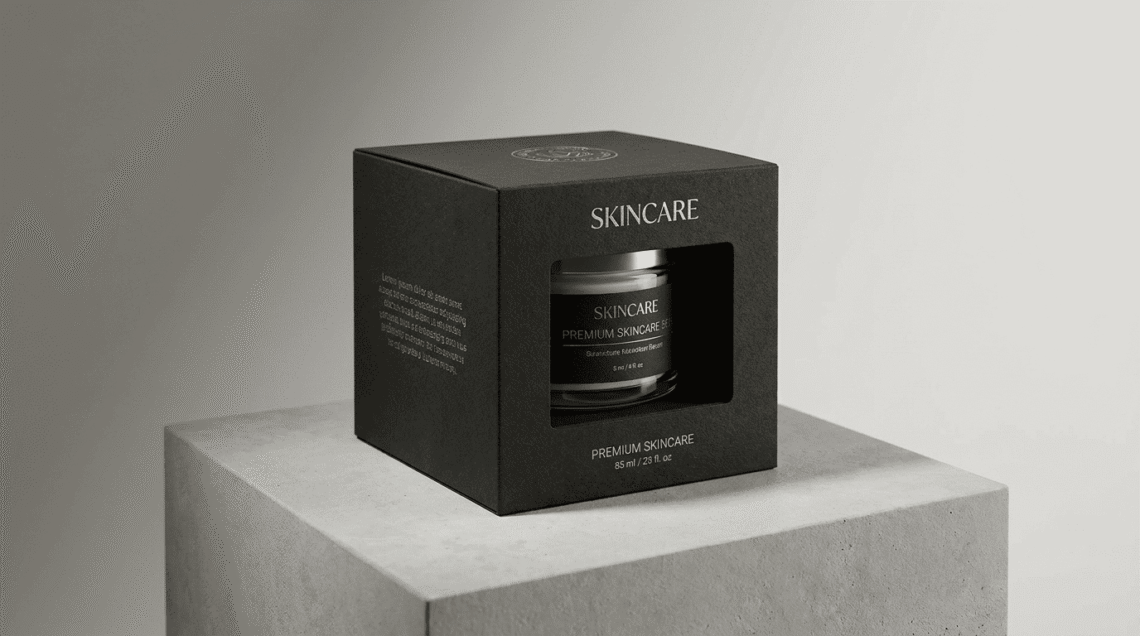
The fast moving consumer goods (FMCG) industry operates on razor thin margins and rapid turnaround times. Traditional packaging design often requires weeks of iteration between creative agencies and brand managers. This legacy process is being disrupted by advanced AI tools that can visualize products in seconds.
The latest breakthrough in this space is GPT Image 2, a professional-grade model available through the higgsfield platform. This tool allows designers to create pixel-perfect packaging with a level of detail previously reserved for high-end 3D rendering software. By integrating advanced typography and photorealistic textures, it bridges the gap between a conceptual prompt and a shelf-ready design.
In this guide, we will compare how the higgsfield ecosystem utilizes these models to outperform standalone competitors. We will also explore why the shift toward high-fidelity AI generation is becoming a requirement for modern marketing teams.
The Evolution Of FMCG Packaging Design
FMCG brands face unique challenges in the digital age. They must produce a constant stream of visual content for social media, e-commerce listings, and physical retail environments. Digital transformation in the CPG sector is a primary driver of market share growth.
AI image generation has historically struggled with packaging. Early models often produced garbled text or “hallucinated” brand logos. These errors made the output unusable for professional applications without extensive manual retouching.
With the advent of GPT Image 2, these technical hurdles have been cleared. Designers can now specify exact font styles, placement of nutritional facts, and complex metallic or matte finishes. This level of control is essential for maintaining brand equity across different product lines.
Technical Edge: The Multi-Model Advantage
The core strength of the higgsfield platform lies in its “All top models in one place” philosophy. Unlike standalone tools that lock users into a single style, this professional studio offers a curated selection of engines tailored for specific creative needs.
Unifying Top-Tier Models
Higgsfield provides access to a suite of specialized models:
- Higgsfield Soul: This model is optimized for professional aesthetics and high-end lighting. It is the go-to choice for luxury packaging or premium beverage brands.
- Seedream: A highly creative engine designed for experimental layouts. It helps designers break away from conventional patterns to find “the next big thing” in shelf appeal.
- Flux.1: Known for its technical precision and adherence to complex spatial instructions.
- Nano Banana Pro: A fast, efficient model for rapid prototyping and generating hundreds of concepts in minutes.
Superior Text Rendering And Typography
The most significant upgrade in GPT Image 2 is its handling of multilingual typography. Packaging requires more than just a logo; it needs legible ingredient lists, weight declarations, and taglines.
Previous AI models viewed text as a collection of shapes. GPT Image 2 treats text as a semantic layer. This results in perfect spelling and consistent font weights across the entire 4K output.
Feature-By-Feature: Higgsfield Vs. Standalone Competitors
When comparing higgsfield to standalone AI tools, the difference in professional utility becomes clear. Most consumer-grade tools are designed for artistic hobbyists. Higgsfield is built for commercial-grade imagery.
Prompt Adherence And Accuracy
Professional packaging design involves long, specific prompts. A designer might specify “a 500ml glass bottle with frosted finish, gold embossed lettering, and a condensation effect against a marble background.”
Standalone tools often ignore half of these details. GPT Image 2 demonstrates exceptional prompt adherence. It ensures that every element of the brief is represented in the final image without visual clutter.
Output Layers And Resolution
For a design to be useful in the FMCG world, it must be high resolution. Higgsfield delivers photorealistic 4K output that can be used for:
- Digital billboards and retail signage.
- High-quality print catalogs.
- Professional visual storyboarding for commercial shoots.
- E-commerce product hero shots.
Unique Value: From Static Image To Cinematic Video
The most distinct advantage of the higgsfield ecosystem is the seamless path to video conversion. In modern marketing, a static image of a product is rarely enough. Brands need motion.
The platform provides a specialized workflow where a static packaging shot generated by GPT Image 2 can be animated into a cinematic video. This image-to-video capability allows teams to create:
- Social media “reveal” trailers for new products.
- Atmospheric 3D pans around the packaging.
- High-energy advertisements showing the product in motion.
This unified workflow eliminates the need to export assets into third-party video editors. It maintains visual consistency between the static design and the moving advertisement.
Professional Use Cases For FMCG Brands
Where does this technology provide the most value? Professionals are using GPT Image 2 to solve specific industry pain points.
Rapid Prototyping And A/B Testing
Before committing to a production run, brands can generate 50 different packaging variations. These can be tested with focus groups or on social media to see which colors and fonts resonate most with the target audience.
Seasonal And Regional Variations
FMCG brands often need to adjust packaging for holidays or specific countries. Higgsfield makes this process instantaneous. A designer can take a core product shot and apply “Lunar New Year” or “Summer Edition” themes without starting from scratch.
Virtual Product Photography
Setting up a physical photoshoot is expensive and time-consuming. Using AI for product photography allows brands to place their packaging in any environment imaginable: from a tropical beach to a high-tech kitchen.
Pros And Cons: A Professional Perspective
To provide an unbiased view, we must look at both the strengths and the considerations of using the higgsfield architecture.
Pros
- Unmatched text clarity for labels and branding.
- Access to multiple models (Soul, Seedream, Flux) in a single interface.
- Seamless integration between image generation and video animation.
- Commercial-grade 4K resolution suitable for print.
- Modern architecture that stays ahead of open-source competitors.
Cons
- Requires a learning curve to master the multi-model selection.
- The high level of detail may require high-bandwidth connections for optimal workflow.
- The abundance of features can be overwhelming for casual users.
Final Verdict: Why Professionals Choose Higgsfield
The demand for high-fidelity packaging design is only increasing. Brands can no longer afford to wait weeks for mockups. They need tools that are fast, accurate, and capable of professional-grade output.
While many AI tools can create pretty pictures, GPT Image 2 within the higgsfield platform creates professional assets. Its ability to handle complex typography, its photorealistic 4K resolution, and its unique image-to-video pipeline make it the superior choice for the FMCG niche.
By unifying the world’s best models under one roof, higgsfield provides a comprehensive studio for the modern designer. Whether you are creating a simple label or a full cinematic product launch, this ecosystem provides the technical edge needed to succeed in a competitive market.
Craving more knowledge? Head over to my website for new articles.