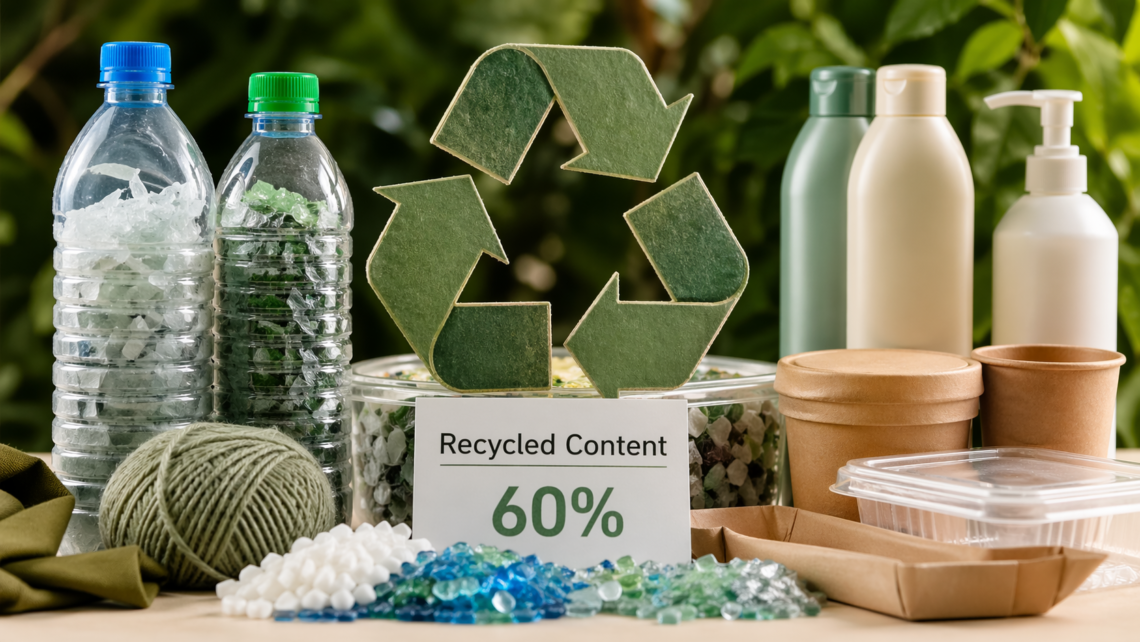
Recyclatanteil is a term that is becoming more important as people and businesses focus on sustainability. It refers to the percentage of recycled material used in a product or packaging. In simple words, it shows how much of a product comes from previously used materials instead of new raw resources.
Today, many products are labeled as “eco-friendly” or “recyclable,” but that does not always mean they contain recycled material. This is where recyclatanteil becomes useful. It helps consumers, manufacturers, and regulators understand the real environmental impact of a product. By focusing on recycled content rather than just recyclability, recyclatanteil gives a clearer picture of sustainability.
What Does Recyclatanteil Mean?
Recyclatanteil means the share or proportion of recycled material in a finished product. This percentage can apply to the whole product or specific parts of it. For example, if a plastic bottle is made using 40% recycled plastic, then its recyclatanteil is 40%.
This concept is used in many industries, including packaging, textiles, construction, and manufacturing. It is especially common in sectors where reducing the use of virgin materials can have a big environmental impact. Understanding this term helps both producers and consumers make better decisions.
Recyclatanteil Vs Recycling Rate
Many people confuse recyclatanteil with recycling rate, but they are not the same. The recycling rate measures how much waste is collected and processed for recycling. On the other hand, recyclatanteil measures how much recycled material is actually used in new products.
This difference is important. A country may have a high recycling rate but still use very little recycled material in manufacturing. That means the system is not fully circular. Recyclatanteil focuses on closing the loop by ensuring that recycled materials are reused effectively.
How Recyclatanteil Is Calculated
Recyclatanteil is usually calculated based on the weight or mass of recycled material in a product. The formula is simple: divide the weight of recycled material by the total weight of the product, then multiply by 100 to get a percentage.
For example, if a product weighs 1 kilogram and 300 grams of it comes from recycled material, the recyclatanteil is 30%. This calculation helps companies provide clear and measurable data about their sustainability efforts.
In some cases, the calculation may include only certain components of a product. This is why it is important for companies to clearly explain how they measure recyclatanteil.
Types Of Recycled Materials Used
Recycled content can come from different sources, and this affects how recyclatanteil is interpreted. One common type is post-consumer recycled (PCR) material, which comes from products that have already been used and discarded by consumers. Another type is post-industrial recycled (PIR) material, which comes from manufacturing waste.
PCR is often seen as more valuable because it reduces waste that would otherwise end up in landfills. PIR, however, is easier to control in terms of quality. Both types contribute to recyclatanteil, but understanding the source helps evaluate the true environmental benefit.
Where Recyclatanteil Is Used
Recyclatanteil is widely used across different industries. In packaging, companies use recycled plastic, paper, or glass to reduce environmental impact. In fashion, brands are increasingly using recycled fibers in clothing and accessories.
The automotive industry also uses recycled metals and plastics to improve sustainability. Even in construction, recycled materials such as steel, concrete, and insulation are becoming more common. This shows that recyclatanteil is not limited to one sector but is relevant across the entire economy.
Why Recyclatanteil Matters
Recyclatanteil plays a key role in reducing the use of natural resources. By using recycled materials, companies can lower energy consumption, reduce emissions, and minimize waste. This makes products more environmentally friendly.
It also helps build trust with consumers. When companies clearly state the recycled content of their products, it shows transparency and responsibility. This can influence purchasing decisions and encourage more sustainable behavior.
Regulations And Standards Around Recyclatanteil
Governments and organizations are starting to set rules related to recycled content. In many regions, there are targets for increasing the use of recycled materials in packaging and products. These regulations aim to support a circular economy.
Standards such as ISO guidelines help define how recyclatanteil should be measured and reported. These frameworks ensure consistency and prevent misleading claims. As regulations continue to evolve, recyclatanteil will become even more important for compliance.
Challenges In Increasing Recyclatanteil
Despite its benefits, increasing recyclatanteil is not always easy. One major challenge is the limited availability of high-quality recycled materials. In some cases, recycled materials may not meet the same standards as new ones.
Another challenge is cost. Processing and sourcing recycled materials can sometimes be more expensive. There are also technical limitations, especially in industries where product safety and performance are critical.
In addition, verifying recyclatanteil can be complex. Companies need proper systems to track and document the origin of materials. Without this, it can be difficult to ensure accuracy.
How Companies Can Improve Recyclatanteil
Companies can take several steps to increase recyclatanteil. One approach is to redesign products so they can use more recycled materials without affecting quality. This may involve testing new material blends or improving manufacturing processes.
Building strong relationships with suppliers is also important. Reliable sources of recycled materials help maintain consistency. Companies can also invest in research and development to find better ways to use recycled content.
Clear communication is another key factor. By providing accurate information about recyclatanteil, companies can build trust and avoid confusion.
How Consumers Can Understand Recyclatanteil Claims
Consumers should look carefully at product labels and descriptions. A clear percentage of recycled content is more useful than vague terms like “eco-friendly.” It is also important to check whether the claim applies to the whole product or just a part of it.
Understanding the difference between PCR and PIR materials can also help. Products with higher PCR content often have a greater environmental impact. By paying attention to these details, consumers can make more informed choices.
Future Of Recyclatanteil
The importance of recyclatanteil is expected to grow in the coming years. As sustainability becomes a priority, more companies will focus on increasing recycled content. New technologies will also make it easier to process and use recycled materials.
Governments are likely to introduce stricter regulations, which will push industries to adopt better practices. At the same time, consumer awareness will continue to rise, creating demand for more transparent and sustainable products.
Conclusion
Recyclatanteil is a simple but powerful concept that helps measure the real use of recycled materials in products. It goes beyond basic recycling claims and provides a clear understanding of sustainability.
By focusing on recyclatanteil, companies can improve their environmental performance and build trust with consumers. At the same time, consumers can use this information to make better choices. As the world moves toward a circular economy, recyclatanteil will play a central role in shaping more responsible production and consumption.
FAQ’s:
What Does Recyclatanteil Mean?
Recyclatanteil refers to the percentage of recycled material used in a product or packaging. It shows how much of the product is made from previously used materials instead of new raw resources.
How Is Recyclatanteil Calculated?
It is calculated by dividing the weight of recycled material by the total weight of the product and then multiplying by 100 to get the percentage.
What Is The Difference Between Recyclatanteil And Recycling Rate?
Recyclatanteil measures how much recycled material is used in products, while recycling rate measures how much waste is collected and processed for recycling.
What Types Of Recycled Materials Are Included In Recyclatanteil?
It includes post-consumer recycled (PCR) materials from used products and post-industrial recycled (PIR) materials from manufacturing waste.
Why Is Recyclatanteil Important For Sustainability?
It helps reduce the use of natural resources, lowers waste, and supports a circular economy by ensuring recycled materials are reused in new products.
Craving more knowledge? Head over to my website for new articles.
Disclaimer
This article is provided for informational purposes only and is intended to offer general guidance about recyclatanteil and recycled content concepts. While every effort has been made to ensure accuracy, the information may not reflect the latest regulations, standards, or industry practices in all regions. Readers are encouraged to verify specific requirements or consult qualified professionals for technical, legal, or compliance-related advice before making decisions based on this content.